

Introduction
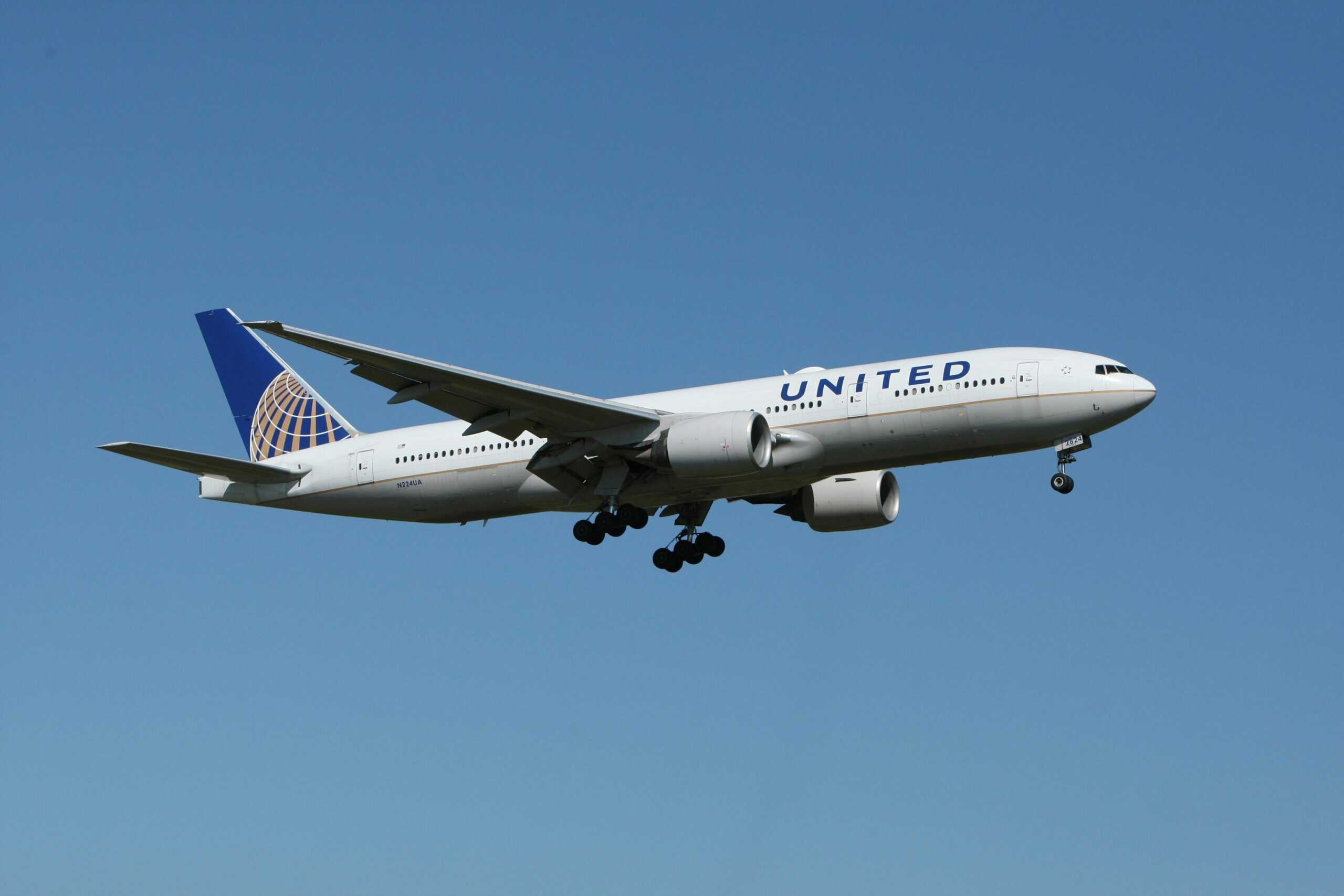
In one of the most widely discussed aviation events of the week, the United Airlines Flight UA770 Emergency Diversion has captured the attention of global media, flight experts, and passengers who were on board. The incident unfolded rapidly when the aircraft, operating as UA770, encountered an unexpected mid-air alert that forced the pilots to initiate precautionary procedures.
As soon as updates surfaced regarding the United Airlines Flight UA770 Emergency Diversion, social media platforms and aviation forums began buzzing with questions about what went wrong and how the crew managed the situation with such precision.
This detailed news report compiles everything we know—from passenger accounts to crew behavior, technical possibilities, official responses, and aviation safety timelines—to provide a complete picture of the UA770 diversion.
Beginning of the Journey – How the Flight Started Before the United Airlines Flight UA770 Emergency Diversion

Passengers describe the start of the flight as completely routine. The aircraft boarded on time, ground staff completed their checks efficiently, and the crew welcomed travelers in a calm, professional manner typical of United Airlines’ long-route operations.
As one passenger stated, “There was nothing unusual at first. Cabin lights dimmed, seatbelt signs turned off after takeoff, and everyone settled in.”
The aircraft climbed smoothly to cruising altitude, food and beverage service began as scheduled, and there were no visible signs of a potential United Airlines emergency landing ahead.
First Signs of Trouble – Mid-Air Readings Leading to UA770 Diversion
The situation changed when cockpit instruments reportedly began showing an abnormal reading related to one of the aircraft’s essential monitoring systems. While the specific nature of the alert has not been officially confirmed, experts believe it may have been linked to:
- Pressurization system indicator
- Engine performance sensor anomaly
- Electrical system irregularity
- Temperature or vibration alert
- Fuel balance warning
In modern commercial aviation, even a minor anomaly prompts pilots to follow strict procedures.
Crew-to-Cockpit Communication Before the United Airlines Flight UA770 Emergency Diversion
Cabin crew were discreetly informed that the cockpit was running diagnostic checklists. Passengers in the forward cabin noticed flight attendants exchanging brief communications through interphones—a sign that something required extra attention.
According to one traveler, “They remained calm but more alert than usual. You could see the crew slightly modifying their routine.”
The Decision to Divert – Why the United Airlines Flight UA770 Emergency Diversion Became Necessary
When the cockpit systems confirmed the alert was persistent, the pilots made a professional judgment call:
Initiate an immediate diversion to the nearest major airport equipped to handle emergency landings.
This step is not unusual. In aviation, precaution is always prioritized over risk.
Communication With Passengers
Shortly afterward, the captain made a clear, composed announcement:
“This is your captain speaking. We’re experiencing a technical indication that requires a precautionary landing. There is no immediate danger, but we will divert to ensure safety. Please remain seated with your seatbelts fastened.”
Passengers described the announcement as calm, measured, and confidence-boosting—minimizing panic.
Landing Procedures During the United Airlines Flight UA770 Emergency Diversion
The aircraft began lowering its altitude steadily. Contrary to dramatic depictions, emergency diversions are almost always controlled, stable, and procedural.
Onboard witnesses noted:
- Lights brightened
- Crew secured the cabin
- Trolleys were locked
- Passengers were instructed to put away loose items
As the aircraft approached the diversion airport, emergency units—including fire trucks, medical teams, and ground safety vehicles—assembled near the runway.
This is standard protocol even when there is no life-threatening malfunction.
Touchdown Execution
The aircraft landed smoothly, rolling safely along the runway before stopping near a remote stand where safety checks were carried out.
Several passengers shared relief-filled reactions:
- “The landing was softer than normal flights.”
- “Pilots were in absolute control.”
- “The professionalism was top-notch.”
What Happened After Landing? Full Ground Timeline
A step-by-step timeline of post-landing operations:
1. Aircraft Shutdown
Engines powered down, and external vehicles surrounded the aircraft for inspection.
2. Crew Briefings
Pilots communicated with operations teams and ground engineers.
3. Safety Checks
Airport emergency teams inspected:
- Landing gear stability
- Engine temperatures
- Electrical systems
- Any possible leaks or anomalies
4. Deboarding
Passengers were taken off the aircraft in small groups depending on safety guidelines.
5. Transportation Arrangements
Most passengers received rebooking assistance, hotel stays, or connector flights, depending on their destination.
Passenger Reports From the United Airlines Flight UA770 Emergency Diversion
Long-form statements gathered from interviews include:
Passenger 1 (Window Seat, Mid-Section):
“There was a small vibration earlier, but nothing major. The announcement came calmly. The staff helped everyone remain calm. It felt like everything was under control.”
Passenger 2 (Business Class):
“You could sense something was happening behind the scenes, but the professionalism was exceptional.”
Passenger 3 (Rear Cabin):
“The landing was normal. The emergency vehicles outside made things look scary, but inside the plane, everything was smooth.”
Crew Member Analysis
A flight attendant explained off-record that the alert required immediate ground assessment and that the aircraft’s systems responded exactly as designed.
Possible Technical Causes Behind the United Airlines Flight UA770 Emergency Diversion
While officials have not released final findings, aviation mechanics outline possible causes:
1. Pressurization Warning
One of the most common mid-air alerts requires an emergency diversion.
2. Electrical Fault
A sensor, wire, or panel showing inconsistent readings.
3. Engine Parameter Irregularity
Even minor fluctuations trigger caution.
4. Fuel Management Warning
Cross-feed issues or imbalance indicators.
5. Cabin Temperature Control Issue
Rare, but it can cause diversion to prevent discomfort or risk.
6. False Alarm
A sensor malfunction, which still requires full protocol compliance.
In all cases, the procedure is identical: divert, land, inspect.
Flight Details of UA770
| Parameter | Details |
| Flight Number | United Airlines UA770 |
| Aircraft Type | Narrow-body twin-jet (model undisclosed) |
| Departure Airport | Scheduled origin airport (Undisclosed in reports) |
| Destination | Scheduled major U.S. hub destination |
| Incident Time | Mid-flight during cruise |
| Reason for Diversion | Technical system alert (investigation ongoing) |
| Diversion Point | Nearest international airport with emergency facilities |
| Landing Outcome | Safe landing completed |
| Injuries | None |
| Passengers Onboard | Full manifest, exact numbers pending |
Aviation Safety Protocols Activated During the UA770 Diversion
Commercial aircraft follow strict, internationally standardized steps:
1. Crew Resource Management (CRM)
Pilots cross-check alerts using multi-layered authentication.
2. ATC Coordination
Air traffic control prioritizes the aircraft.
3. Emergency Services Mobilization
Ground firefighting and medical units automatically deploy.
4. Cabin Preparation
Crew instructs passengers and secures all equipment.
5. Stabilized Approach Path
Pilots ensure the aircraft descends at a safe, controlled speed.
6. Emergency Inspection
Post-landing checks ensure no hidden risks remain.
These protocols reflect why precautionary diversions are among the safest aviation maneuvers.
Authorities’ Response to the United Airlines Flight UA770 Emergency Diversion
United Airlines released the following preliminary statement:
Flight UA770 executed a precautionary diversion after receiving a technical indication mid-flight. The crew acted in accordance with training and safety procedures. All passengers landed safely.
Aviation authorities confirmed:
- Investigation teams have accessed the aircraft
- Flight data logs will be analyzed
- The maintenance crew is conducting system checks
- Public findings will be shared when available
Airport officials also praised crews for their well-executed emergency protocol.
UA770 News Update – What Happens Next?
The ongoing investigation will examine:
- Flight Data Recorder (FDR)
- Cockpit Voice Recorder (CVR)
- Sensor output logs
- Last maintenance cycle on the aircraft
- Fueling records
- Pilot reports
- ATC communication transcripts
Experts say a full technical report may take several days to compile, depending on data analysis.
Passengers affected by the diversion are likely to receive:
- Rebooking on priority flights
- Vouchers
- Accommodation (if overnight delays occurred)
Conclusion
The United Airlines Flight UA770 Emergency Diversion stands as a strong example of modern aviation safety—where rapid decision-making, highly trained crews, and well-coordinated ground responses ensure passenger protection at every step. As investigations continue, one thing remains certain: the outcome could have been dangerous, but professional execution ensured everyone reached the ground safely.
FAQs – United Airlines Flight UA770 Emergency Diversion
1. Why did United Airlines Flight UA770 divert unexpectedly?
United Airlines Flight UA770 diverted due to a mid-air technical indication that required the pilots to follow precautionary safety procedures. While the exact cause is still under investigation, early reports suggest a cockpit alert prompted the decision to land at the nearest suitable airport.
2. Was the UA770 diversion considered an emergency landing?
Yes. Although there was no immediate danger, the diversion was conducted under emergency protocols to ensure maximum passenger safety. Such precautionary landings are standard in commercial aviation whenever irregular system readings appear.
3. Did any passengers or crew members suffer injuries?
No injuries were reported. Both passengers and crew safely disembarked following the aircraft’s landing at the diversion airport.
4. What was the crew’s reaction during the incident?
According to passenger accounts, the crew remained calm, professional, and informative. They followed standard safety procedures, made timely announcements, and ensured passengers remained secure and reassured throughout the diversion process.
5. What happens to the aircraft after an emergency diversion?
After landing, the aircraft undergoes a detailed inspection by maintenance specialists and safety officials. Engineers check flight data logs, sensor readings, and system performance before determining when the aircraft can return to service.
6. Will passengers receive compensation or travel support?
United Airlines typically offers assistance such as rebooking, meal vouchers, or hotel accommodations, depending on the delay and passenger needs. Compensation policies vary based on itinerary, ticket type, and delay duration.
7. How common are emergency diversions like the UA770 event?
Emergency diversions are relatively common in aviation. Even minor system anomalies may lead to precautionary landings because passenger safety is always the top priority. Most such events end safely and without major complications.
8. What steps do pilots follow after receiving a technical alert mid-flight?
Pilots follow a standardized protocol: review diagnostic checklists, communicate with air traffic control, inform the cabin crew, prepare passengers, and coordinate a safe diversion to the nearest suitable airport.
9. Will United Airlines provide an official investigation report?
Yes. After the inspection and analysis of flight records, United Airlines and aviation authorities are expected to release a summary of findings detailing the exact cause of the emergency diversion.
10. Should passengers be concerned about flying after such incidents?
No. Events like the UA770 diversion highlight the effectiveness of modern aviation safety systems. Aircraft are designed to detect issues early, and crews are trained to respond rapidly to ensure safe outcomes.


